
Keep On Keepin’ On
Number three in a trilogy of three

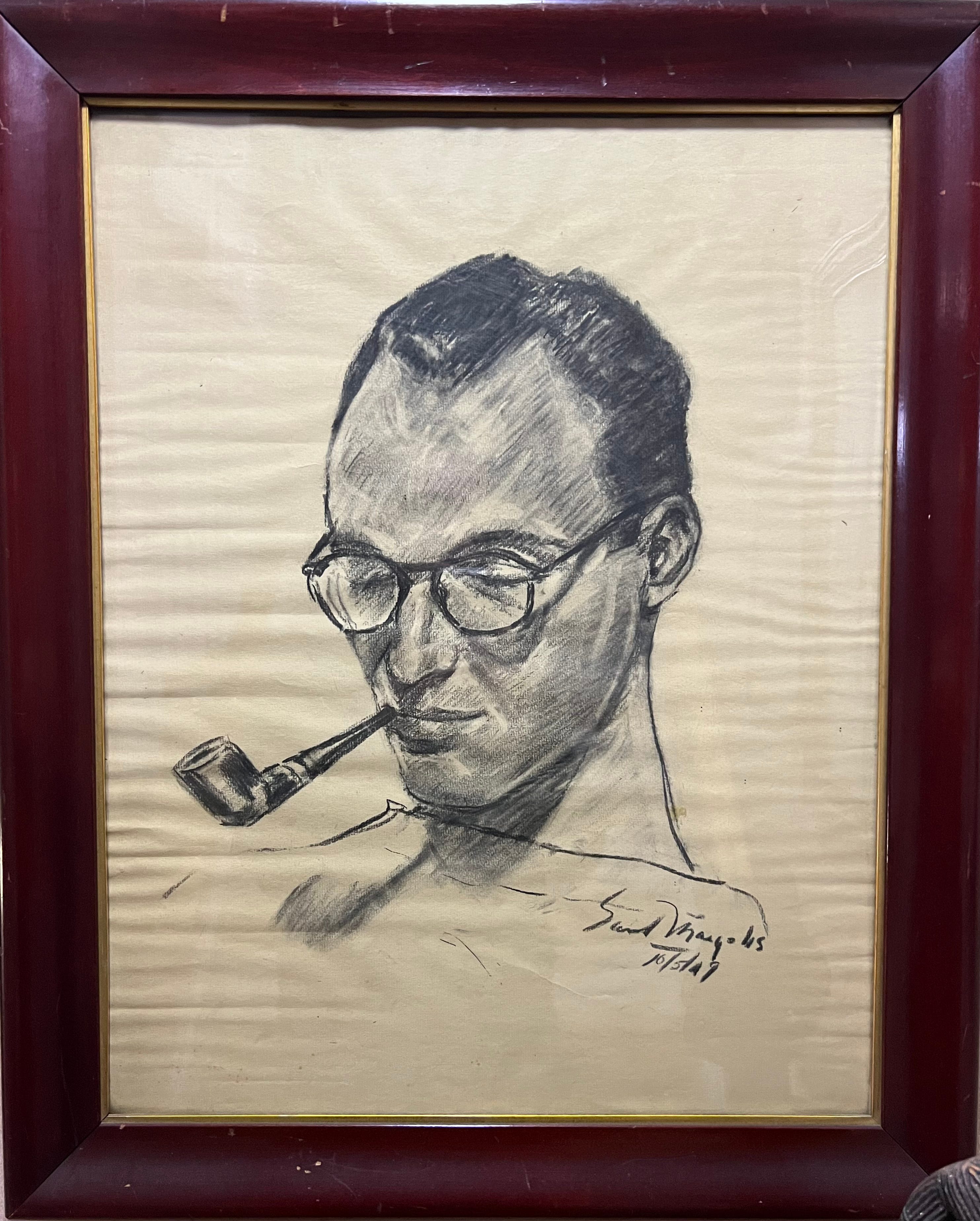
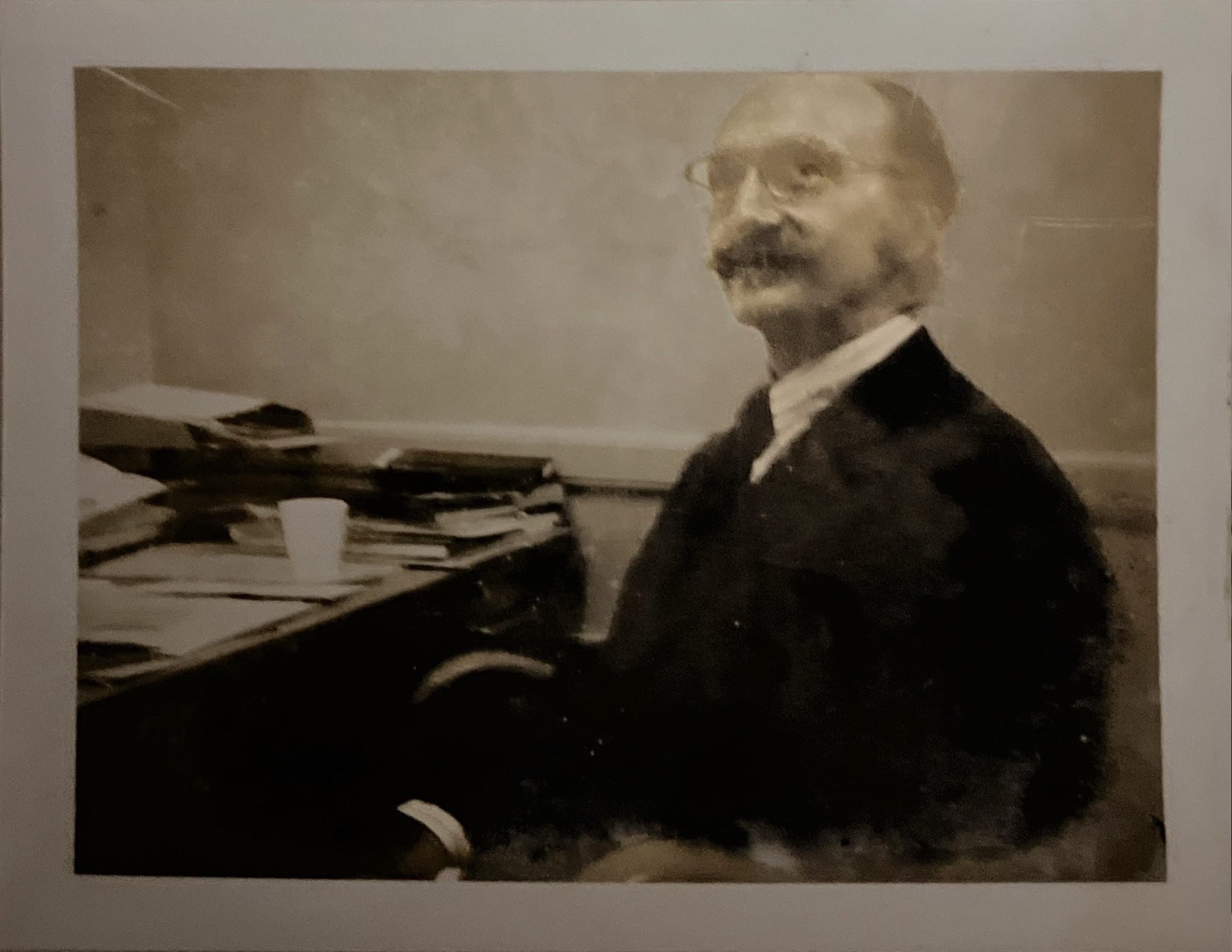
For many years, it’s been my intention to complete a trilogy of essays about Irving Schwartz (he’s best known as “my friend who happens to be married to my Mom”). I’d already written two of these. The first (How Irving Taught Me to Row) is a reflection wrote on the occasion of his “retirement” thirty years ago. The second (You Are Not Invisible), was born of a spontaneous outflow celebrating his 90th birthday, almost ten years ago.
Upon finishing the second, I knew a third lay somewhere within. It would have much to do with the beautiful film about jazz trumpeter and teacher Clark Terry, Keep on Keepin’ On. I knew it would be both about teaching and jazz, not unlike Terry’s life. The challenge was finding a way to bring it into existence. I sought, longingly, dedicated time and space in which to create it. Alas, the last ten years of my own existence had become all-encompassing. I faced my own significant challenges on several fronts. I simply didn’t have the bandwidth or energy to write in a way that would genuinely express what I wanted to say to Irving.
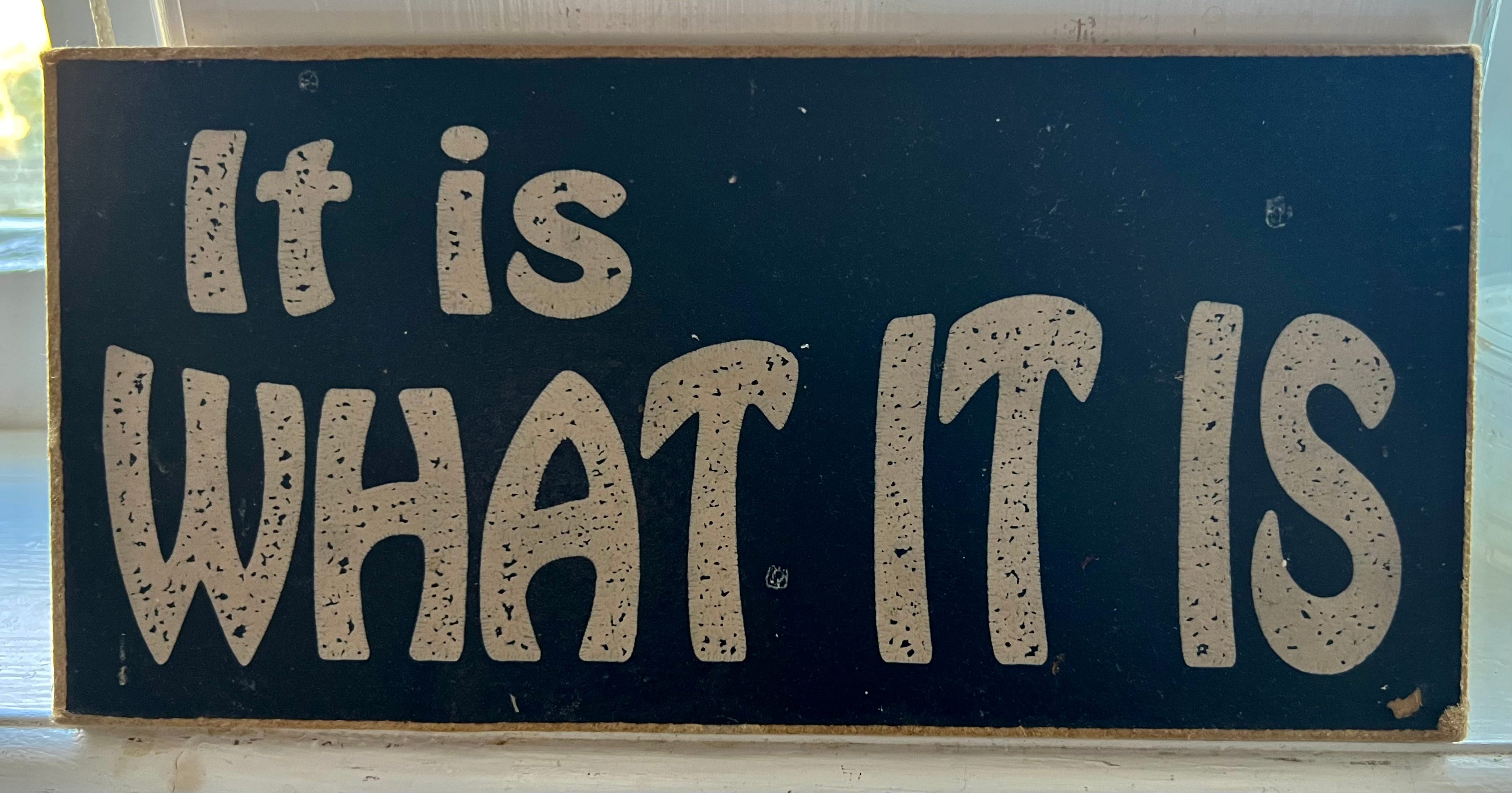
I know Irving appreciated and understood the challenges I faced. As he’d say, “It is what it is.”
I so much wanted to present this piece as a gift to him. The Buddhists say that there are only two things certain in life: that we are going to die and that we don’t know precisely when. June 1, 2025 end up being that day for Irving.
Now, by necessity, I found the time to complete this third piece and it came with a deadline: his memorial service last June. Instead of an audience of one, an audience of a hundred plus souls, all who knew and appreciated him in his many and diverse aspects, were present to pay witness. His spirit was there, very much alive and vibrant, embedded in the many with whom he had sown his seeds of inspiration.
Irving’s Life Celebration
Oakes Ames Memorial Hall
North Easton, Massachusetts
June 28, 2025
“We teach who we are.” —Parker Palmer
When I was a teen, by way of introduction I’d tell people about my adoring relationship with Irving. I characterized it in this way: “Irving is my good friend… and he also happens to be married to my mother.” Above all, I considered him first my friend and teacher.
Thirty-two years ago, in 1993, on the occasion of Irving’s so-called “retirement,” I wrote a piece for him that captured what he’d given me in the years after I’d first met him. In the mid-1970s I was a young adolescent with lots of curiosity for the world. Yet, at that point my world lacked a breadth of places at which I might direct it. Meeting Irving not only gave me places to explore, he also cracked open expansive new realms I’d never before known existed.
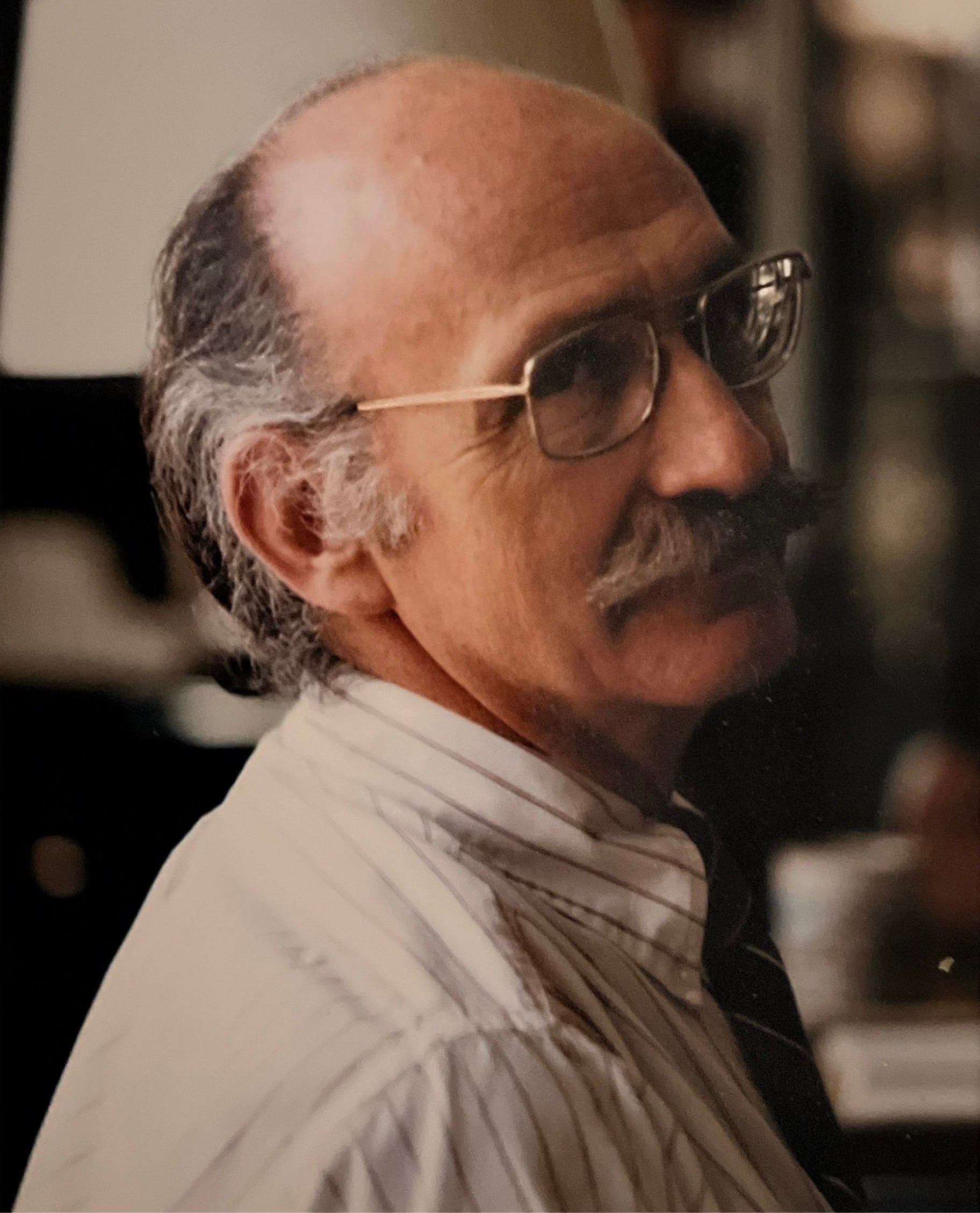
I called the piece How Irving Taught Me to Row. It recalled Irving making tomato salads on warm New England summer days as he an my mom drank their variety of Gin Martini—also known as a “bomb.” Those words recalled how Irving engaged me, with genuine curiosity, as a human being who had something to offer, rather than as some kid to be talked at from on high. He asked me of my interests (running and the Coast Guard) and plans for learning and life. He sowed seeds that didn’t so much tell me what to do, but rather provided me with a framework for how to explore the world; a means by which to approach whatever shards of light that caught my eye.
Twenty-three years later, in 2016, on the occasion of his 90th birthday, I wrote a second piece for Irving. A poem called You Are Not Invisible. Now entrenched in the vast complexities of my own midlife, I was able to share a more complex and nuanced view of Irving that reflected how our connection had, so to speak, “aged in the barrel.”
If you spend enough time with someone, no matter how much you’d been enamored with or idolized them at the onset, eventually, the challenges and complexities of who we are and how we express our being in relation to others comes into play. Eventually, we can begin to see that our heroes are also human beings. Fallible, tempestuous, imperfect. That poem was my way of acknowledging that Irving didn’t need to remain up on a pedestal, that the beauty of his being lay not in an unattainable ideal of a persona, but in the beautiful messiness and fallibility of being human:
“We are whole, able, and complete, just as we are and just as we are not.”1
So here we are, celebrating a life that strived in many ways to help others see and articulate the centers of their own lives. This begs the question: what is at the center of Irving’s life?
I find it useful to pay attention to things that arrive in sets of three. So after writing that poem, I knew I had a least one more “Irving” piece in me. A trilogy not only seemed fitting, it also was something I owed toward honoring my relationship with Irving.
Yet… what would that piece look like? Initially, it eluded me for years, yet I knew that when I was ready, the words would appear.
Over the next few years, once again, Irving became the source of a new seed. He thought that I might appreciate the film, Keep On Keepin’ On. This film tells the story of the legendary trumpet player, Clark Terry and his relationship, as a teacher, to a then struggling blind piano prodigy, Justin Kauflin. I took a few years before I was able to view it. When I did, I was blown away.
Keep On Keepin’ On is the foundation for the third part of my Irving Trilogy. I deeply wanted to complete this before he was gone. Yet, over the past decade, there is so much that the unfolding of life has compelled me to work through—elements with which we all inevitably grapple. So, Irving, wherever you might be, what I speak today is for you. All of you hold pieces of him and through you, I can speak to him.
The beauty of this Keep On Keepin’ On is that, yes, it’s about jazz: legacies, legends, and prodigies. If you knew Irving for just five minutes, you’d quickly recognize that listening to and playing jazz was at the center of his life. It was the resonance of his being. In this last decade, I came to realize that for Irving, playing music was a medicine and therapy that kept him balanced and on keel.
Playing music was his meditation. The most important element of our physical being is breath. We can be deprived of the other physical necessities—shelter, water, food—for much longer periods than we can for breath. Yet breath… staunch it for not much more than three minutes and we quickly lose life. For Irving, I believe it was the creative act of breathing into those horns that was how he found equanimity, balance, and peace. And, maybe, just maybe, it was his way of connecting with the vast mystery of the universe.
Still, the story of Clark Terry is much more than that of an iconic musician. The film shows that his life was profoundly centered around being a teacher, maybe even more so than a musician.
Now, of whom could this musician and teacher remind us?
Terry was an phenomenally extraordinary teacher. His first student was none other than Quincy Jones. Myles Davis, Herbie Hancock, Wynton Marsalis were also students. And if Irving was anything other than a musician, he was a teacher. He was as extraordinary a teacher as was Clark Terry. Maybe not as renowed, but that doesn’t matter. What matters is that his many, many students will never be able to forget what he gave them.
And, like Terry, he kept on teaching right up to the end. The second to last time I saw Irving, with loving care and seriousness, he was instructing the nurses who cared for my mother, using the same kind of inquiry with which he’d engaged me fifty years ago.
There’s a line Clark Terry speaks in the film:
“You got to inspire them and encourage them and make them do what they know they can do. And most of the time they don’t even know what they can do until your get it out of them.”
This was Irving’s way too.
We sometimes want our lives to be tied up into neat comprehensible stories. A beginning, a middle, an end. I too wanted to do that with my Irving stories.
Yet… our days don’t always unfold in the tidy and neat ways of a well-told Hollywood film. There is a place for that kind of story. It can provide us with a context and relatability for own own lives. But the fullness of a life as it is actually lived cannot always be expressed via a three act play, a musical composition, a film, or even a series of essays. We can approach the gist via these forms… and still we endure the messy daily mundanities, salted with a myriad moments of infused ineffable beauty. So it’s important to accept that perfection is unattainable. Or maybe to understand that our human variety of perfection lies in knowing that our missteps and failures are an essential part of our wholeness.
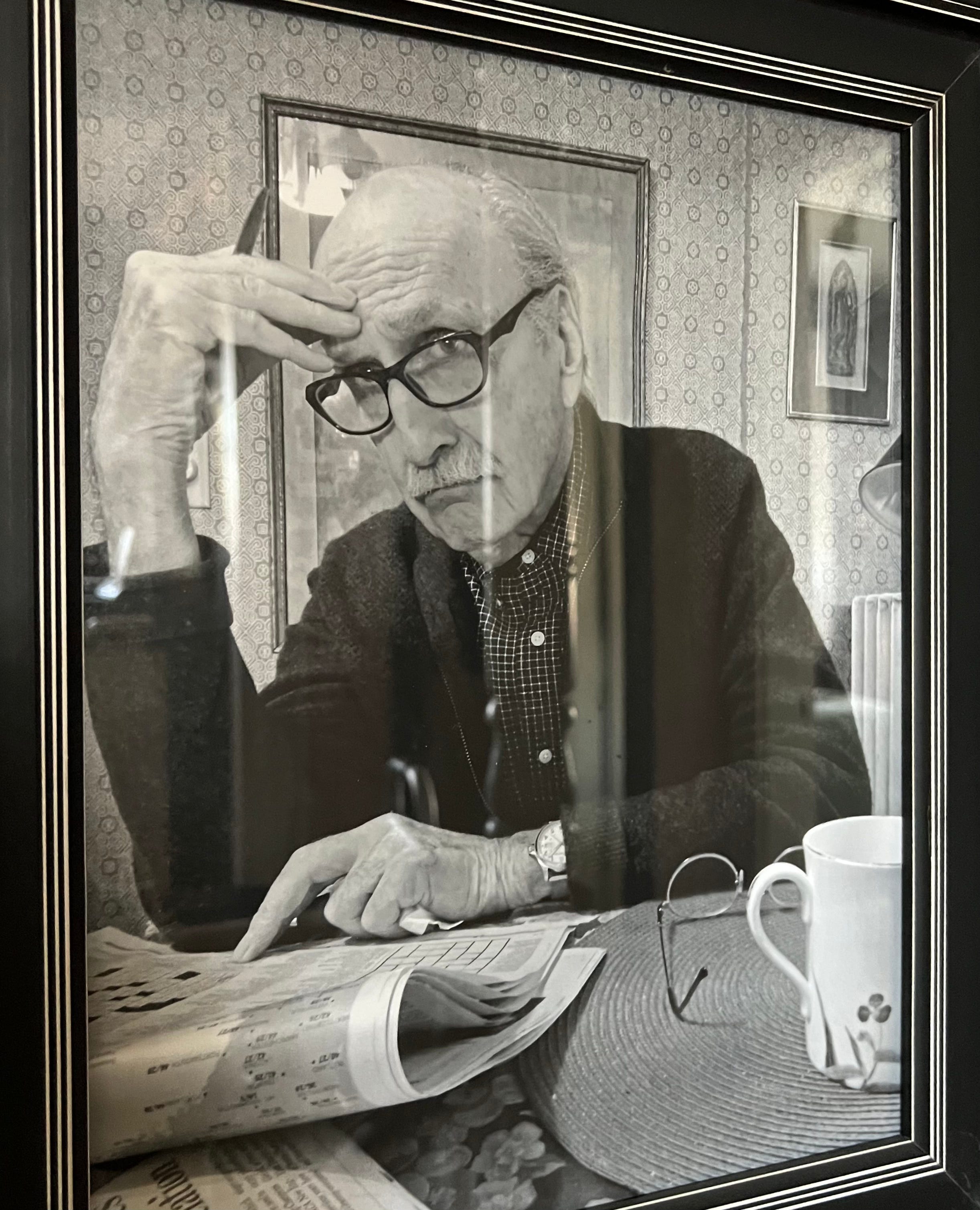
Stories continue even when the life about which we’re telling a story has ended. Irving is an essence who touched countless beings—in ways positive, negative, and all the shades of grey in-between. Irving sowed many, many seeds. We each carry the seeds of his essence within. I know that each and every one of you here today… and many others far and wide… bear the potentialities that he offered. And that’s a good thing. It’s up to us, should we choose, to cultivate and nurture them within the context of our own stories.
For me, of all the seeds Irving planted within me, some have remained dormant, awaiting their time. In his life’s work, the complex practice of autobiography as a method of learning and self-expression was a dominant thread. It goes back to the core questions we ask as human beings:
“Who am I?
“Why am I here?”
“What is my purpose?
Irving first explored these questions at a teacher of high school students in Newton. Then with undergraduates at Clark University. And finally—for many years… often with the same students throughout those decades—in his on-going Autobiography class at Brookline’s adult and community education program. In all of these venues Irving profoundly helped many on the journey to find meaning and beauty as they reflected on their lives.
For me, the seeds of his autobiography work will continue with me. Not long ago, he shared with me the story of how he developed it and the research that forms its foundations. I’m not yet precisely sure what that will look like. I have some ideas that are beginning to take shape. This is how I will bear forward his spark.
Words
Irving thoroughly loved words and writing… if you ever visited his home, you will have witnessed piles and piles of books as far as the eye could see. I share this love with him. I close to share a few that I believe reflect his spirit.
On Mystery
🌱 In her podcast, Wiser Than Me, in a conversation with the writer Anne Lamott, Julia Louis Dreyfuss observes that “you don’t have to be religious to believe that there’s mystery in life.” Upon hearing this, I immediately envisioned Irving.
On a cabinet in his kitchen, there is mounted a panoply of family photos and quotations. If there ever was an altar for Irving, this was his.
🌱 One consists of these words from Albert Einstein:
The most beautiful thing we can experience is the mysterious. It is the source of all true art and science. He to whom the emotion is a stranger, who can no longer pause to wonder and stand wrapped in awe, is as good as dead; his eyes are closed.
On Teaching
🌱 The educator and theologian, Parker Palmer says: “We teach who we are.” If you were Irving’s student of any kind, you knew who the man was through his teaching.
🌱 Michael Meade, the scholar of myth and storytelling recently observed:
Knowledge is pouring into this world, the same way that light pours onto the earth from the moon and the stars. But it’s moving so fast that people can’t catch it. What’s usually needed is a practice, an art or a teacher that can slow down the rush of knowledge so that we can take it in.
And finally, another snippet from his cabinet. Words of comfort that I believe Irving meant for us, in this moment and for all times:
🌱 In The Once and Future King, T.H. White writes:
“The best thing for being sad,” replied Merlyn, beginning to puff and blow, “is to learn something. That is the only thing that never fails. You may grow old and trembling in your anatomies, you may lie awake at night listening to the disorder of your veins, you may miss your only love, you may see the world about you devastated by evil lunatics, or know your honour trampled in the sewers of baser minds. There is only one thing for it then—to learn. Learn why the world wags and what wags it. That is the only thing which the mind can never exhaust, never alienate, never be tortured by, never fear or distrust, and never dream of regretting. Learning is the thing for you.
”
Dr. Nancy Lavelle.
What a lovely tribute to a remarkable person.
Another movie to add to the q!
I love this series about Irving, and can't help but wish I knew him. The part about tidy stories and death (it's never an end for those whose memories the departed continue to be integrated within, or even remain aware of... )The idea of "ghosts" popped into my mind several times reading this, and being "haunted" as we often discuss people's passing as something that has a mourning period
But ghosts are sometimes friendly 👻 and I like to remember that spirit when I think of even difficult people in my life. My recollections don't often distress me (though some have) and the older I get, I see where their influence lingers in how I move through the world. People live on through us, it's nice when we notice, especially the good parts.